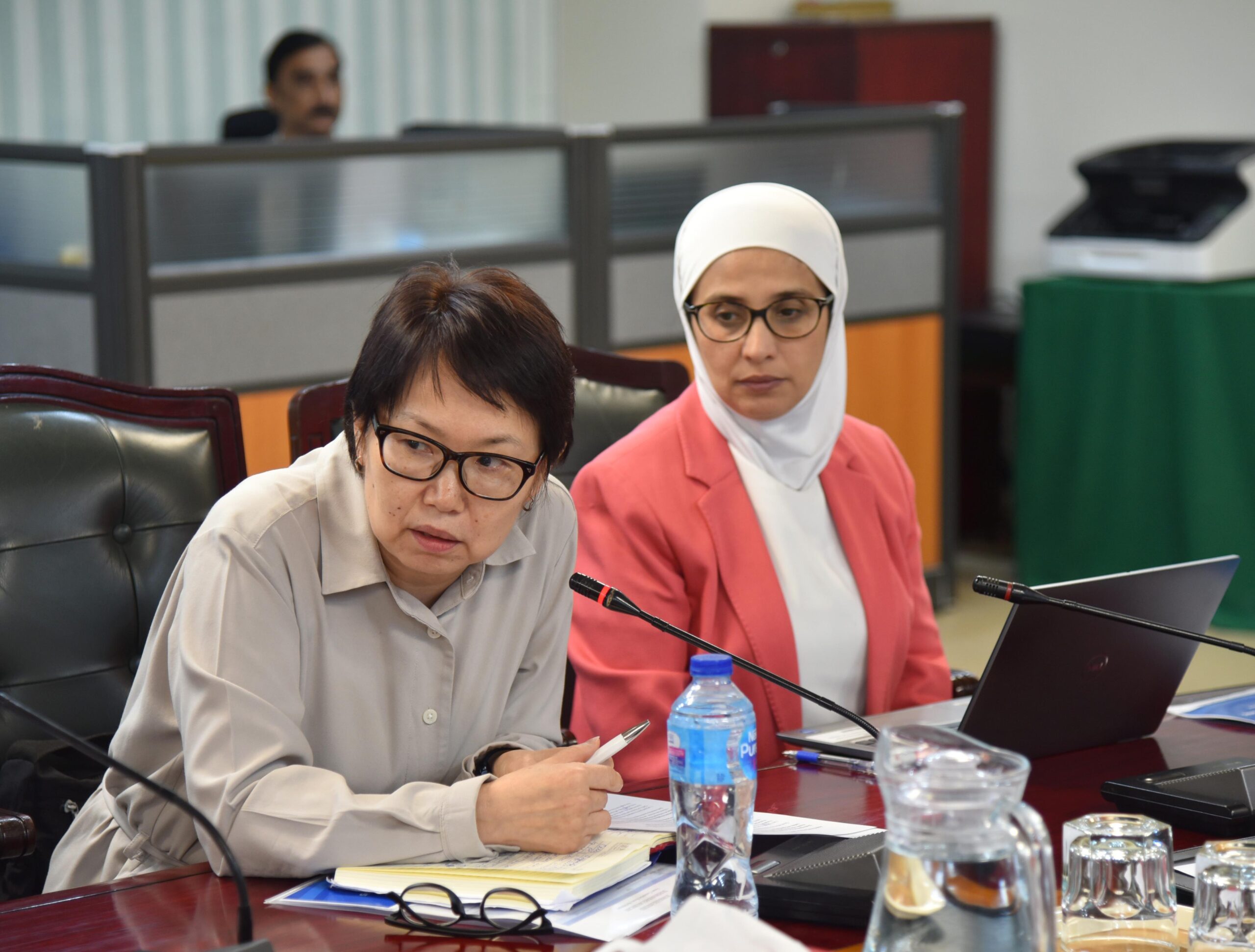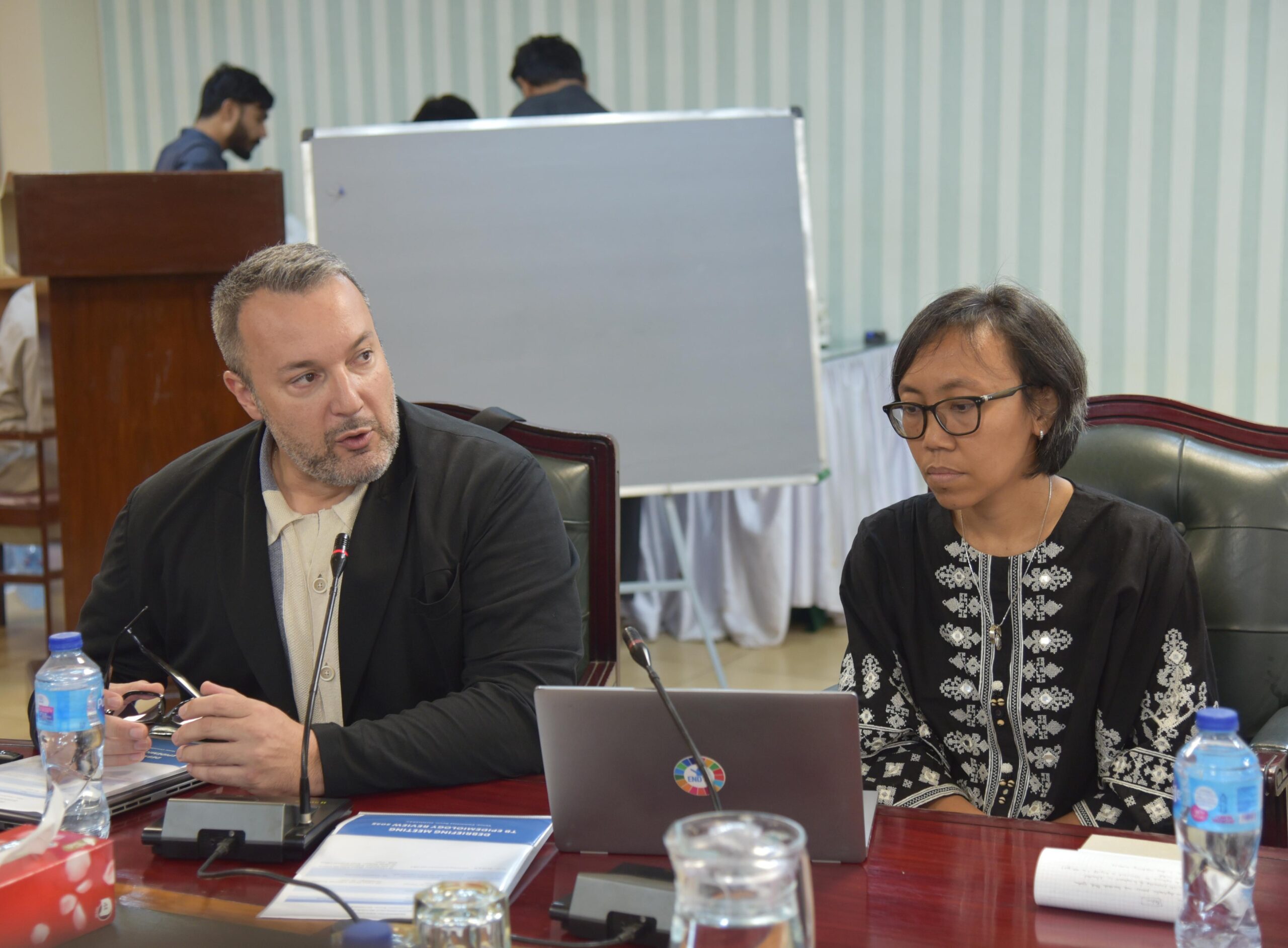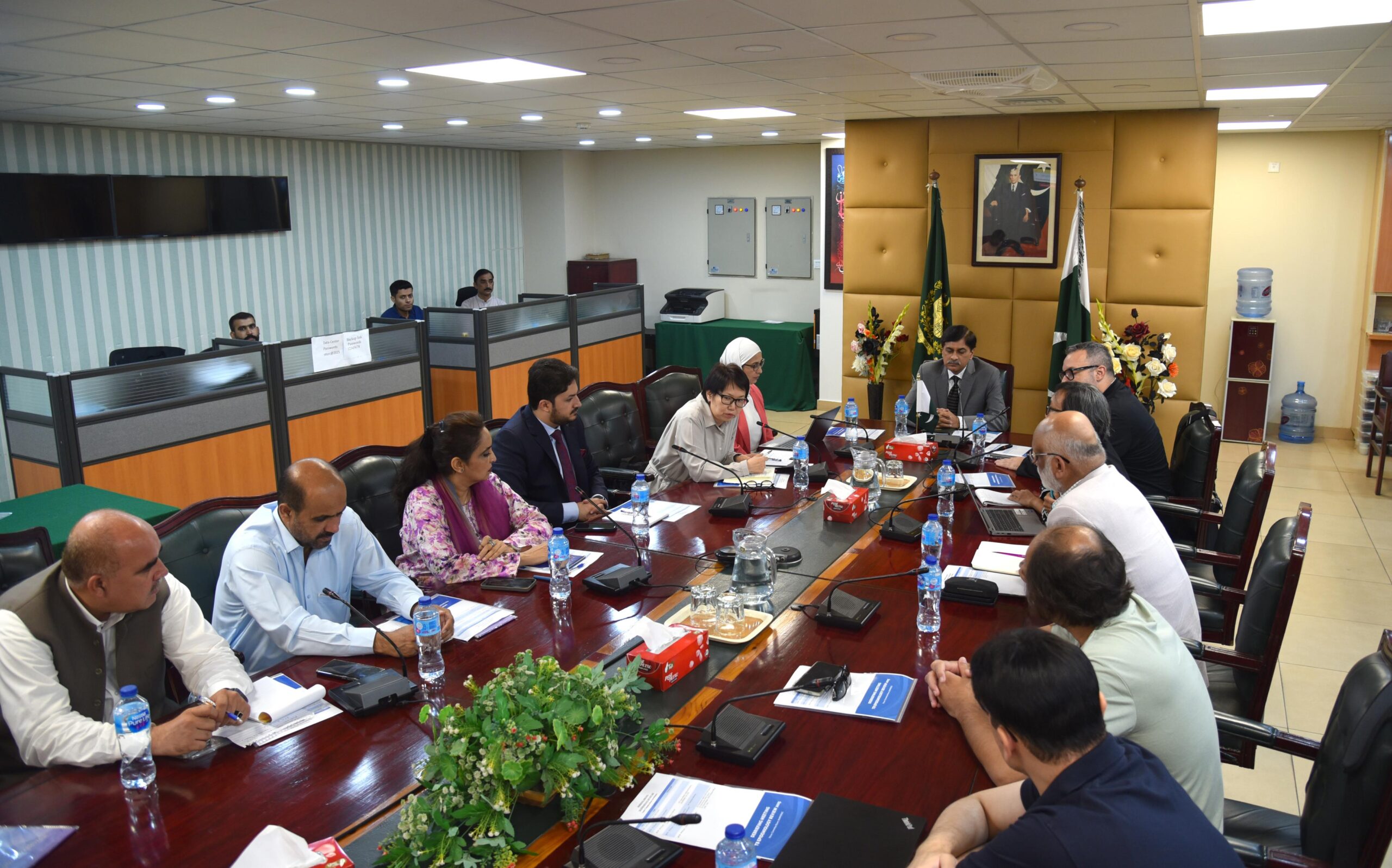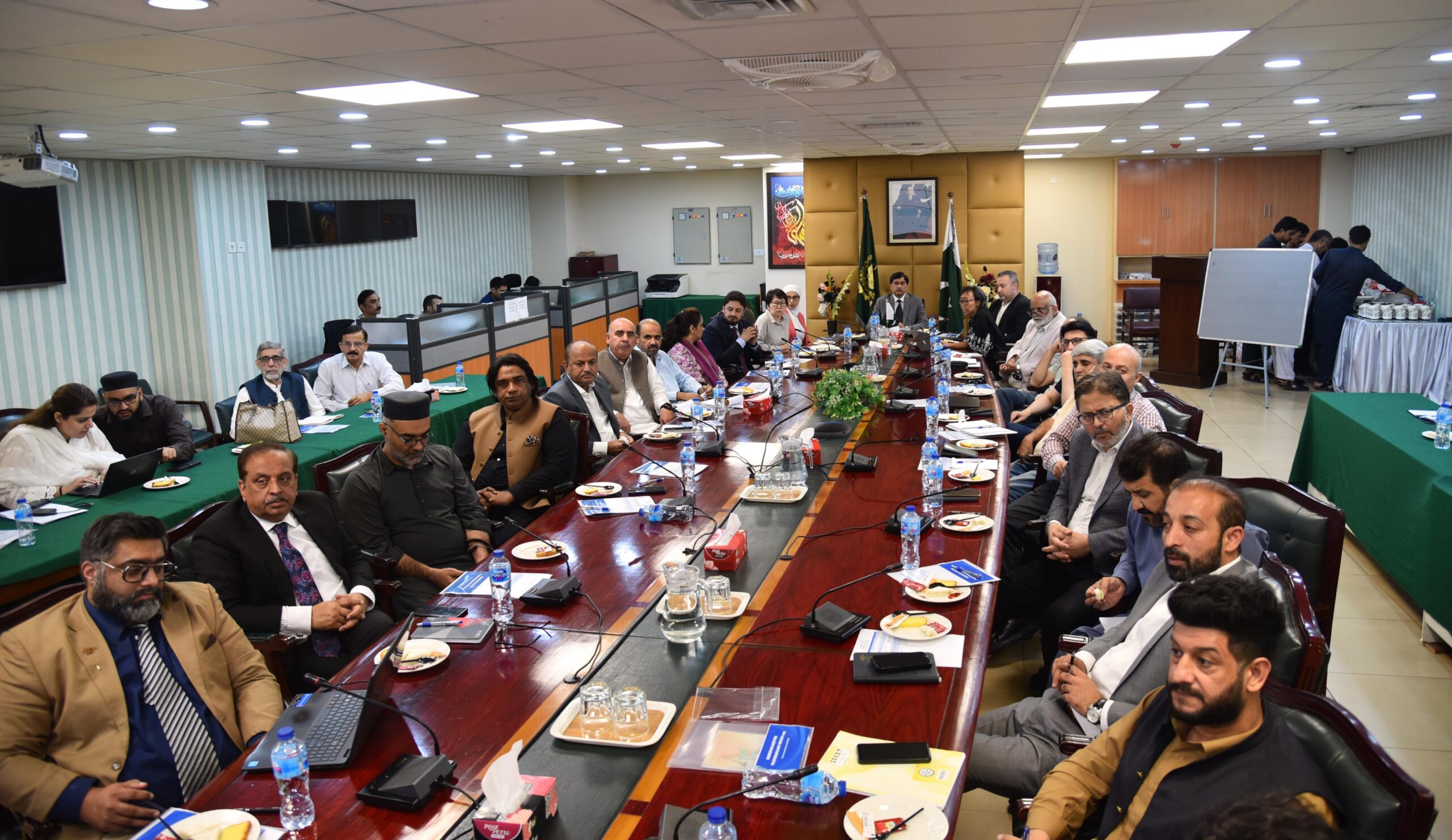

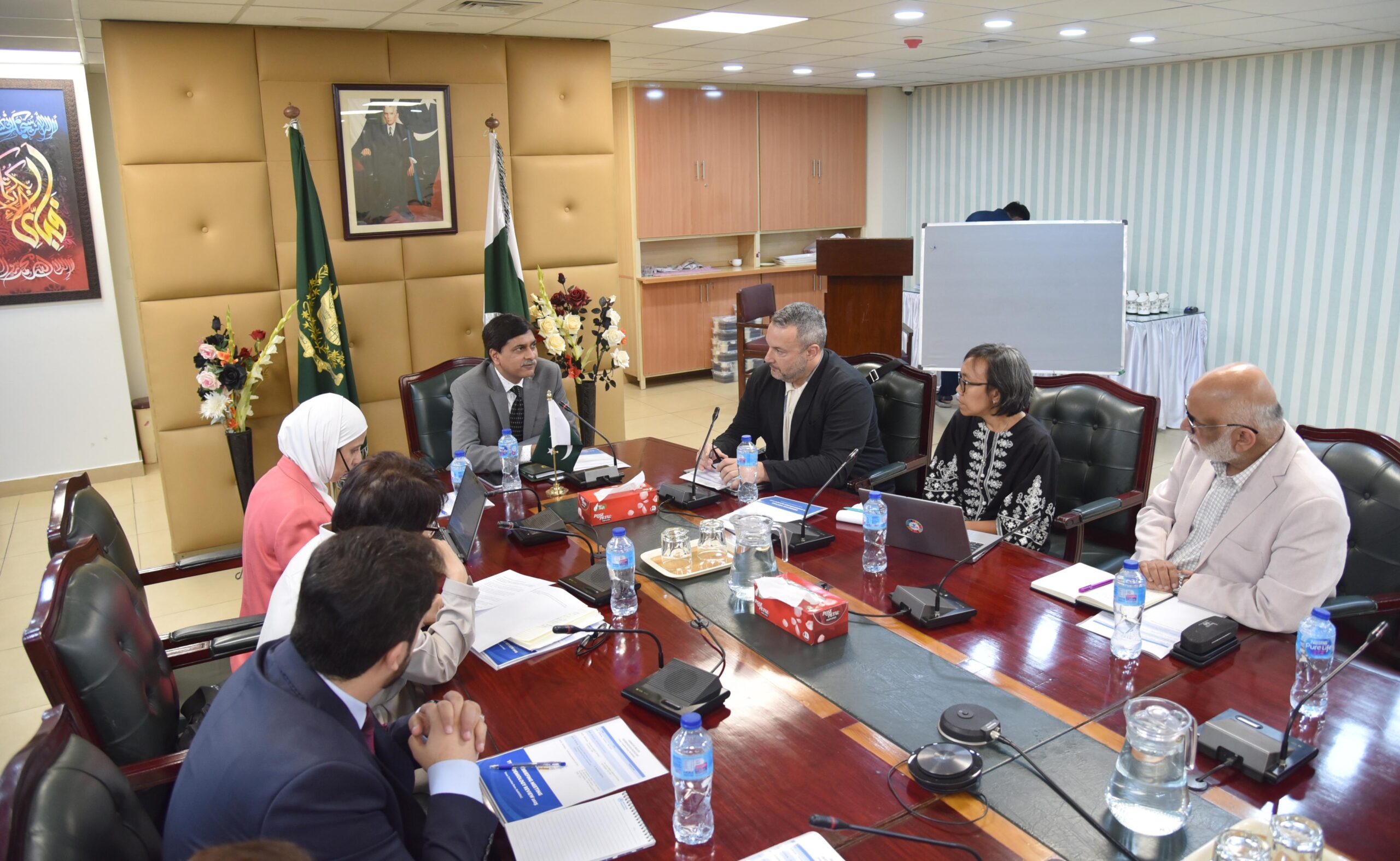
Islamabad, 16 July 2025 – The Common Management Unit (CMU) for AIDS, TB & Malaria at the Ministry of National Health Services, Regulations & Coordination (MoNHSR&C), with the technical support of the World Health Organization (WHO), successfully concluded the Epidemiological Review 2025 for Tuberculosis in Pakistan. The review, which commenced on 9 July 2025, concluded with a national debriefing session held at the Ministry in Islamabad on 16 July.
The review aimed to assess the current TB disease burden, analyze surveillance systems, and identify strategic directions for upcoming initiatives such as the Joint Programme Review Mission (JPRM), Global Fund Grant Cycle 7, and the development of provincial and national strategic TB control plans.
Dr. Sher Afgan Raisani, Provincial Manager TB Control Program Balochistan, and Dr. Bilal Khan, Senior Provincial Program Officer, represented Balochistan during the mission.
Key Highlights from the Review:
- Burden & Trends: In 2024, Pakistan reported approximately 230,000 TB cases from the private sector, with the highest burden in Punjab (58%), followed by Sindh (24%) and KP (12%). Childhood TB made up 14% of cases, while 13% were elderly. Bacteriological confirmation among new pulmonary TB cases stood at 50%, below the global benchmark of 70-90%.
- Surveillance System: Despite strong digital capacity (DHIS2 Tracker for TB), data fragmentation persists due to multiple reporting platforms. Surveillance quality is hindered by under-diagnosis, under-reporting, and lack of deduplication.
- Drug Resistance: An estimated 15,213 rifampicin-resistant TB cases occurred in 2024, with drug susceptibility testing (DST) coverage below the recommended 80%.
- Private Sector & Notification: Significant gains in TB notification through private providers were noted, though concerns persist regarding low bacteriological confirmation in PPM-1 model facilities.
- Strategic Gaps: Surveillance assessments found deficiencies in childhood TB reporting, HIV status documentation (only 58% of TB cases had known HIV status), and treatment outcome reporting.